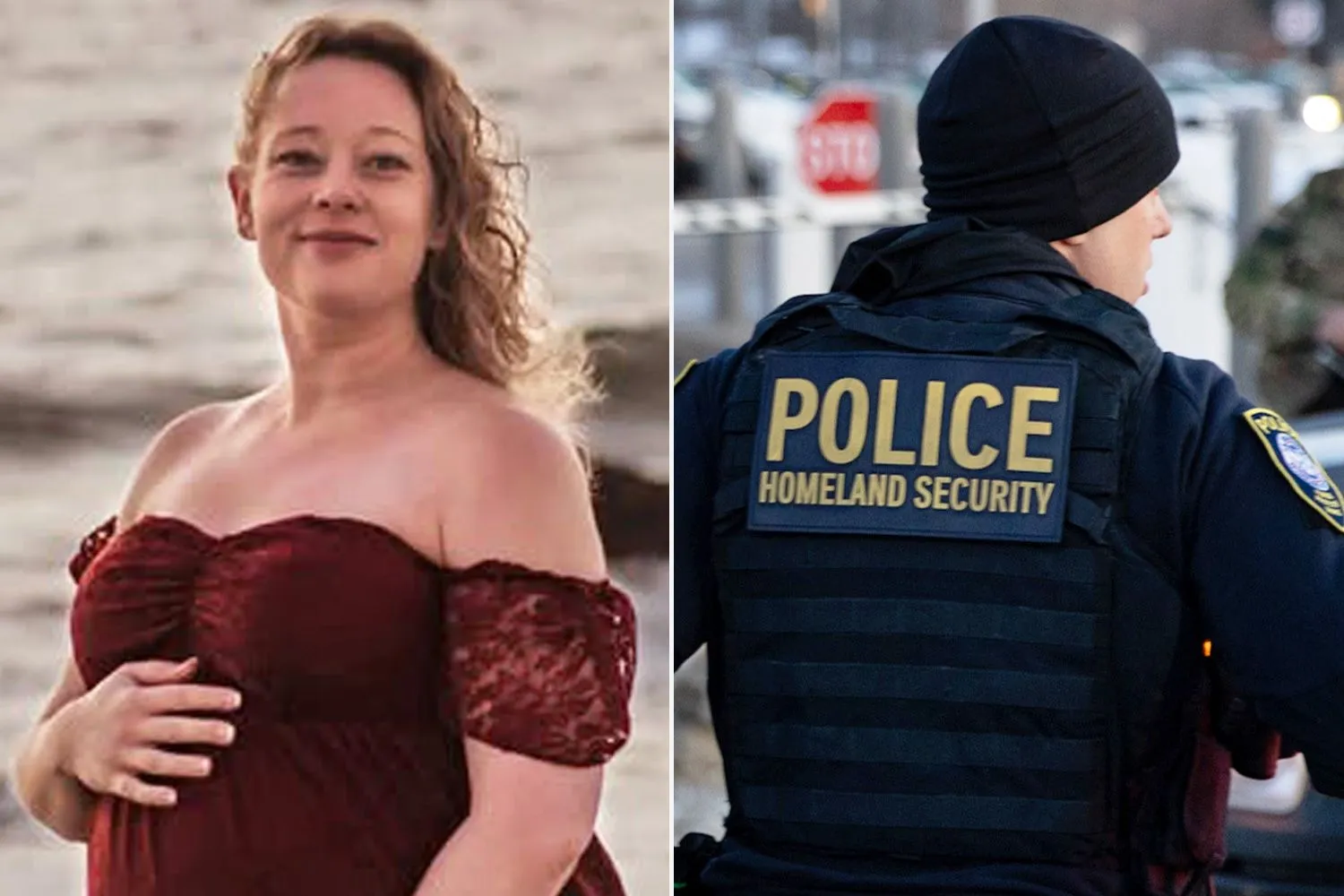
A growing controversy has erupted in Minneapolis after new testimony revealed that Renee Nicole Good still had a detectable pulse several minutes after she was shot by a U.S. Immigration and Customs Enforcement agent.
While a physician on scene was allegedly prevented from providing emergency medical assistance.
According to witnesses and medical accounts now circulating publicly, a doctor who identified himself at the scene asked federal officers for permission to check Good’s vital signs and render aid.
Video footage shows officers refusing the request, ordering the physician to step back, and stating that emergency medical services were on the way.
A Minnesota doctor later disclosed that Good retained a pulse for approximately eight minutes after being shot, intensifying scrutiny over whether lifesaving intervention was improperly delayed.
The shooting occurred on January 7 in Minneapolis, when Good, a 37-year-old mother, was fatally shot by an ICE agent during a confrontation that federal officials have described as self-defense.
The Trump administration has repeatedly claimed that Good attempted to strike officers with her vehicle, a version of events that has been disputed by local officials, eyewitnesses, and multiple video recordings.
Civil rights attorneys and legal scholars say the refusal to allow medical assistance could carry serious legal implications.
They argue that blocking emergency care after the use of deadly force may constitute deliberate indifference and could expose federal agents to civil liability.
Several experts have pointed to Department of Homeland Security use-of-force policies, which require officers to render or facilitate medical aid as soon as it is safe to do so.
Legal comparisons have also been drawn to the 2020 killing of George Floyd, in which officers who failed to intervene were charged for aiding and abetting.
Critics say the ICE agents who denied the physician access to Good should face similar scrutiny, especially given the possibility that early medical care might have altered the outcome.
The Department of Homeland Security, through Assistant Secretary for Public Affairs Tricia McLaughlin, has stated that medics were summoned immediately and that Good had no pulse when aid was administered.
However, this assertion directly conflicts with eyewitness testimony and medical observations now emerging.
Prominent legal voices, including Alexa Van Brunt of the MacArthur Justice Center and Ayesha Bell Hardaway, have said the video evidence raises serious concerns about violations of ICE policy and constitutional protections.
Both emphasized that federal agents have an affirmative duty to provide or allow medical care following a shooting.
As protests continue nationwide and calls for accountability grow louder, Good’s case has become a flashpoint in the broader debate over federal immigration enforcement, use of force, and transparency.
Her family and supporters are demanding an independent investigation not only into the shooting itself, but also into the actions taken — and not taken — in the critical minutes that followed.
The incident remains under investigation, and civil action is widely expected as new evidence and testimony continue to surface.