A federal judge’s sharply worded ruling has brought international attention to the case of Liam Conejo Ramos, the five-year-old Ecuadorian boy whose detention by U.S. immigration authorities became a flashpoint in the national debate over current immigration enforcement tactics.
Liam and his father, Adrián Alexander Conejo Arias, returned to Minneapolis on February 1, 2026, after spending nearly two weeks held at the South Texas Family Residential Center in Dilley, Texas.
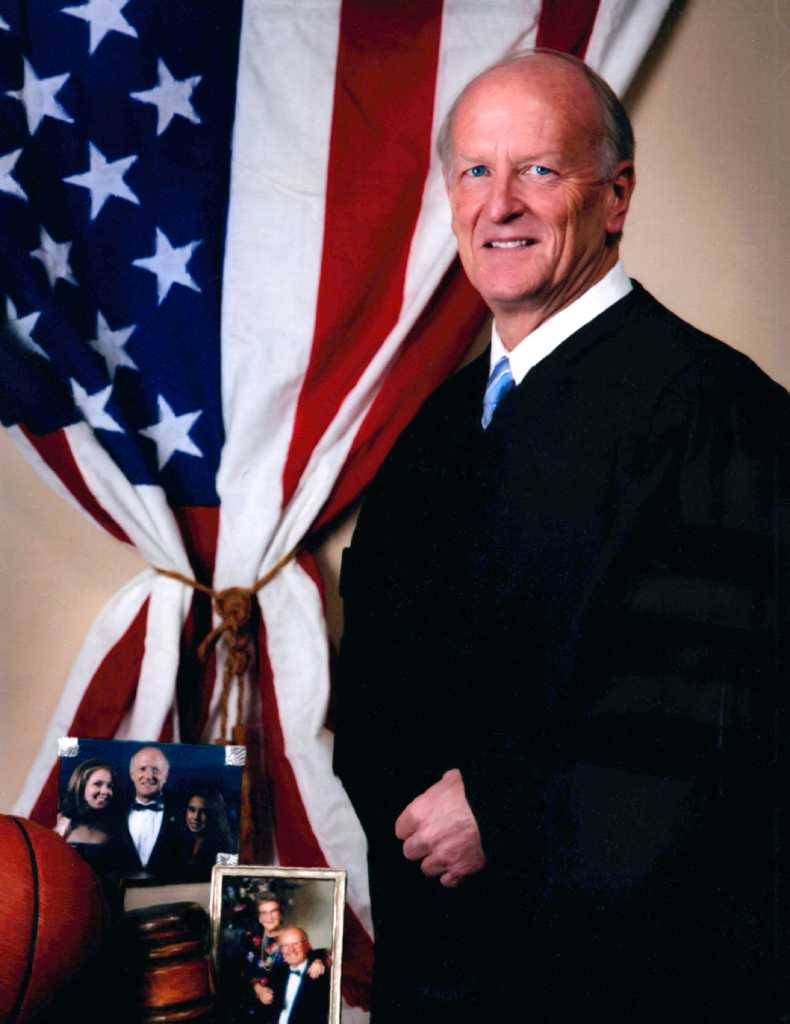
Their release followed an extraordinary order issued by Fred Biery, a federal judge for the Western District of Texas, who condemned the detention as unlawful and deeply harmful to a child.
In his opinion, Judge Biery ruled that the arrest and transfer of Liam and his father violated fundamental constitutional protections.
He grounded his decision in the Fourth Amendment and the right to due process, concluding that the administrative warrants used by immigration agents did not meet the legal standard of probable cause required for such a seizure.
The judge argued that executive-issued warrants, lacking independent judicial oversight, failed constitutional scrutiny.
Beyond the legal analysis, the judge’s opinion stood out for its moral and humanitarian tone.
Biery described the detention as an act of “cruelty” rooted in what he called “ill-conceived and incompetently implemented” deportation quota policies.
To underscore the emotional harm inflicted on the child, he cited the U.S. Declaration of Independence and included biblical references from Matthew 19:14 and John 11:35, highlighting the trauma experienced by Liam and his family.
The case began on January 20, 2026, when immigration agents detained Liam and his father in the driveway of their home in a Minneapolis suburb as the child was returning from preschool.
Images of the boy wearing a blue hat and carrying a Spider-Man backpack quickly spread worldwide, intensifying public outrage.
While the Department of Homeland Security maintained that the detention followed immigration procedures, the family’s attorneys stated that the Conejo Ramos family entered the United States legally in 2024 and has an active asylum case pending.
Judge Biery’s ruling ordered that Liam and his father be released “as soon as practicable,” stressing that any future immigration proceedings must occur through a more orderly and humane process.
Following the decision, the pair traveled back to Minnesota under the escort of Joaquin Castro, who has been vocal in calling for the protection of children affected by immigration enforcement.
The case unfolded amid heightened scrutiny of large-scale immigration operations, including Operation Metro Surge, which has drawn criticism from lawmakers and civil rights advocates.
Minnesota leaders such as Amy Klobuchar and Ilhan Omar publicly questioned the impact of these operations on families and children.
While Liam is now home, his family’s asylum case remains unresolved and will continue through the immigration court system.
For many observers, however, Judge Biery’s ruling has already left a lasting mark, framing the case not only as a legal dispute but as a defining moment in the broader conversation about the limits of immigration enforcement and the treatment of children under U.S. law.