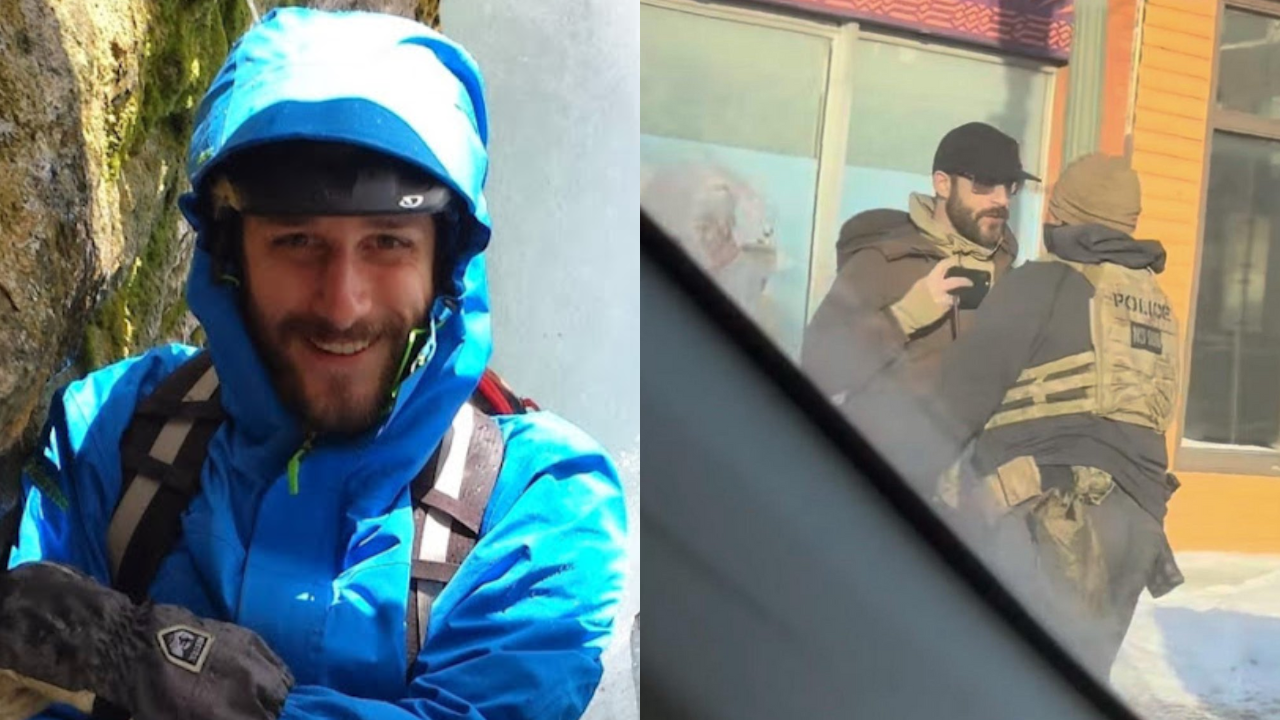
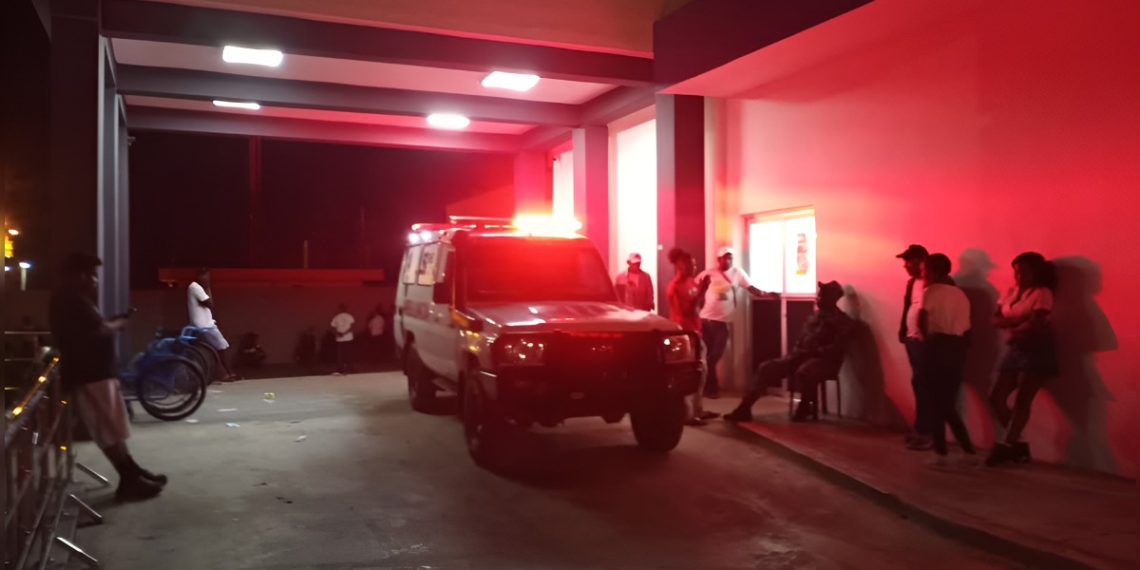
The fatal shooting of Alex Pretti on January 24, 2026, has rapidly escalated into one of the most significant controversies regarding federal law enforcement conduct in recent years.
Pretti, a 37-year-old intensive care nurse at the Minneapolis Veterans Affairs Hospital and a legal gun owner, was killed during a federal immigration enforcement operation known as Operation Metro Surge.
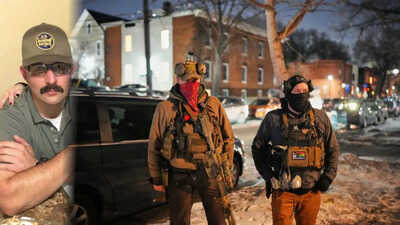
The incident occurred in broad daylight at the intersection of 26th Street and Nicollet Avenue in Minneapolis, an area bustling with civilians and protesters.
What began as a law enforcement sweep ended in a hail of gunfire that has left the community in mourning and sparked a nationwide demand for accountability.
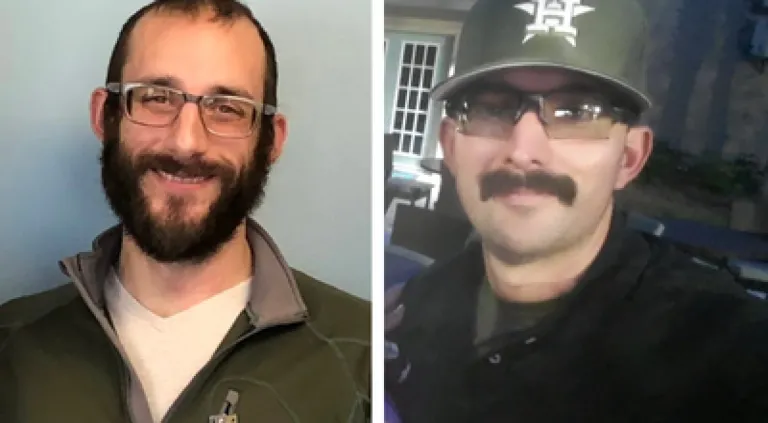
The federal agents responsible for the shooting have been identified through official records and investigative reporting as Jesus Ochoa, a 43-year-old U.S. Border Patrol agent, and Raymundo Gutierrez, a 35-year-old Customs and Border Protection officer.
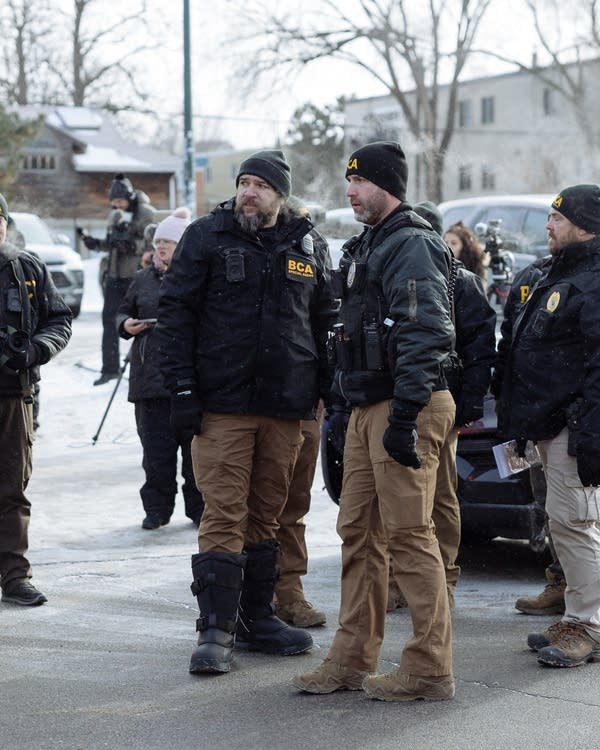
Both men were part of a specialized unit deployed to Minnesota to assist in high-profile enforcement actions.
According to preliminary reports, Ochoa and Gutierrez fired a total of ten rounds after an agent on the scene shouted that Pretti was armed.
The use of lethal force was almost instantaneous, occurring while Pretti was already being physically restrained by other officers on the ground.
Discrepancies between the official government narrative and visual evidence have fueled intense public outcry.
Initially, Department of Homeland Security officials, including Secretary Kristi Noem, stated that Pretti had brandished a weapon with the intent to harm agents.
However, multiple bystander videos and forensic analyses suggest a different sequence of events.
While it is confirmed that Pretti was carrying a holstered handgun for which he had a valid permit, video footage appears to show that an agent had already disarmed him while he was pinned to the ground.
Moments later, as Pretti held his cell phone to record the interaction, he was shot by the arriving agents who purportedly mistook the phone for a weapon.
The aftermath of the shooting has seen a swift response from both legal and political sectors.
Both Agent Ochoa and Officer Gutierrez have been placed on administrative leave pending the outcome of multiple investigations.
The Department of Justice’s Civil Rights Division has launched a formal inquiry to determine if federal laws were violated, while Minnesota Governor Tim Walz has authorized a state-level criminal investigation.
The tragedy has also led to a significant shift in federal policy in the region, with the Biden-Harris administration ordering a drawdown of federal agents in Minneapolis following the death of Pretti and another civilian during the same week of operations.
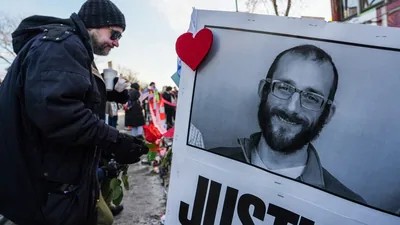
The legacy of Alex Pretti is now tied to a broader movement seeking reform in how federal agencies operate within American cities.
Friends and colleagues at the VA hospital describe him as a dedicated healthcare professional who was known for his calm demeanor in high-pressure situations.
As the legal proceedings move forward, the case of Alex Pretti remains a focal point for debates over the militarization of border agencies and the constitutional rights of citizens to film law enforcement.
The final results of the ongoing investigations are expected to have lasting implications for federal police transparency and the future of immigration enforcement tactics across the United States.